My Little Pony Card Opening How the Binder Collection Works
File every pull, spot gaps, flex pages, and aim packs and trades at real binder goals.
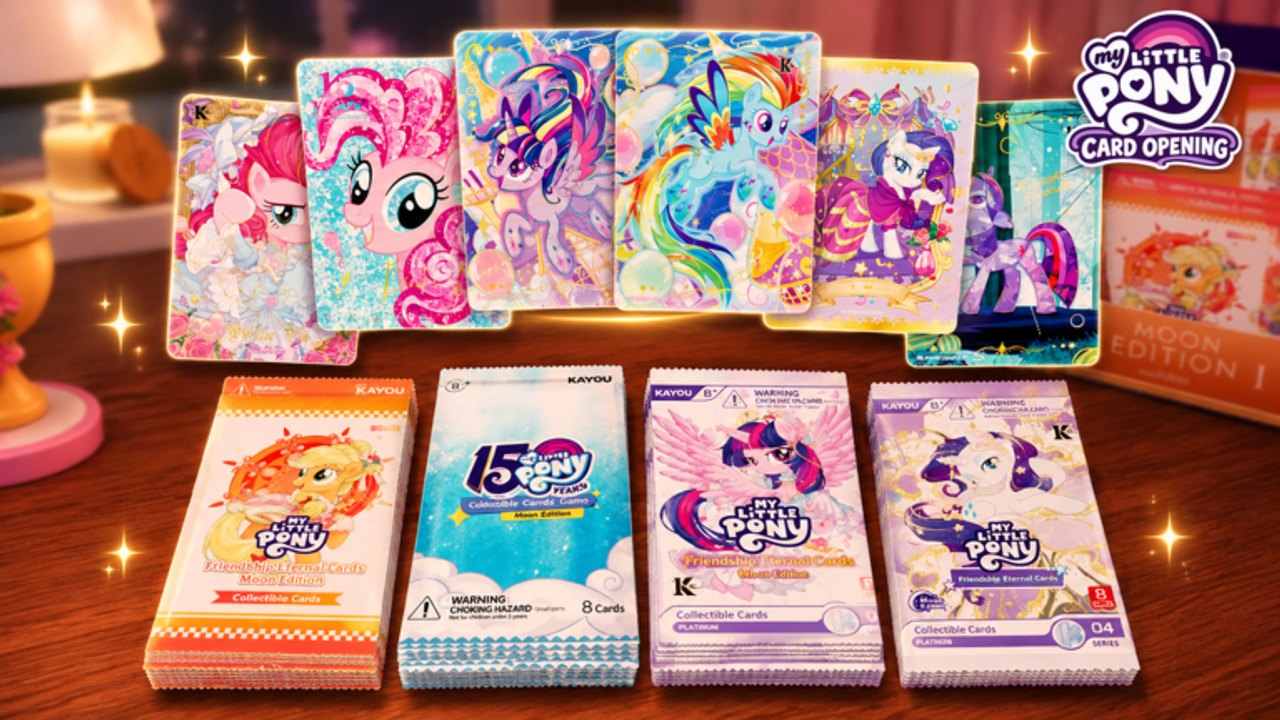
The binder is the quiet center of My Little Pony Card Opening. Packs create drama; postcards refill coins; trades move duplicates; but the binder is where your collection becomes visible, countable, and worth showing on a twenty-player server. If you open without filing, you lose track of gaps. If you trade without auditing pages, you give away the wrong extras. This guide explains how the binder works after each open, how Moon-motif and Friendship Eternal–style pages feel in play, how to track set holes, and how to aim shop buys and trades at binder goals—not random dopamine.
Start with Getting Started if you are brand new, then pair this page with how to open packs, postcard coins, rare cards, and trading. Evaluation depth lives on the tier list hub, especially card rarity and best packs.
What the binder is for
In this free Roblox Simulation from Pony Card Club (TRYCUTE_44), launched 7 November 2026, cards do not stay as a nameless inventory pile. After you rip a pack, you file pulls into binder pages so you can:
- See which set slots are filled versus empty.
- Spot duplicates you can offer in trades.
- Arrange showpiece holos and chase finishes for flex screenshots.
- Notice collection milestones or rewards that care about binder progress.
- Decide the next pack purchase with a goal instead of a whim.
Gameplay footage often highlights a pretty, Moon-motif binder presentation—soft night tones, collectible-set vibes, and the satisfaction of turning sealed packs into organized pages. Treat that fantasy seriously: the binder is your museum and your spreadsheet at once.
File every open before you buy again
A disciplined loop looks like this:
- Buy one planned pack at the shop.
- Run the open animation and read each pull.
- Identify new cards versus duplicates.
- File everything into the binder before the next purchase.
- Glance at the pages you just touched—did a gap close?
- Only then spend more coins or open a trade whisper.
Skipping step 4 is how players “lose” a rare in clutter or buy a third pack of a line they already completed. Filing is not busywork; it is feedback. The mid-article video on this page shows binder review in the same session as shop browsing and opens—watch how filing sits between excitement and the next decision.
Track set gaps like a collector, not a hoarder
Open the binder with a question: which pages still have holes? Gaps drive smart play.
- Coverage gaps mean cheap or mid packs that fill commons and uncommons across a set.
- Finish gaps mean you own the character but lack the holo or chase treatment—see rare cards and card rarity.
- Favorite-pony gaps are emotional: you may overpay slightly in trade or save postcard coins for a specific line on best packs.
Write a short want-list (even mentally): three missing cards, one chase goal, and which duplicates you will offer first. Bring that list into chat when you use trading and the culture tips on players. Servers hold about twenty players—clear asks beat “anyone got rares?” spam.
Organization tips that stay readable
Binder organization is personal, but a few habits scale well:
- Group by set or motif. Keep Moon-style arts together; keep Friendship Eternal–inspired lines on their own spreads so visitors understand the story of your collection.
- Front-load flex pages. Put chase holos and favorite characters early so friends see them without scrolling forever.
- Park duplicates intentionally. Know where extras sit so trade prep takes seconds, not a full inventory panic.
- Leave breathing room around ultra hits. Crowded pages hide the shine that made the pull special.
- Re-sort after big sessions. Ten packs without a tidy pass creates noise; a two-minute sort restores clarity.
Organization is also safety. When you know exact ownership, bait-and-switch trades are easier to catch because you remember what left your binder.
Link binder goals to pack buys
Coins are finite. Postcard farming (see postcard coins) and any future codes only matter if spending matches binder needs.
Ask before every shop visit:
- Am I buying for coverage (fill empty slots) or chase (hunt a finish)?
- Does this SKU match the set with the most gaps?
- Would a trade close the gap faster than another pack?
If your Moon-motif pages are almost full but Friendship Eternal–style pages are sparse, stop dumping coins into the line you already understand. Use best packs to match SKU to goal, then open with the discipline in how to open packs. Binder-first shopping turns variance into progress even when chase luck is cold.
Link binder goals to trades
Trading exists because pack odds will never finish every page on demand. Audit the binder first:
- List exact gaps.
- List exact duplicates you can spare.
- Mark emotional keepers as “not for trade.”
- Offer clear 1:1 or small bundles aimed at those gaps.
File received cards immediately after a successful deal. An unfiled trade is half-finished—your want-list stays wrong until the page updates. Deep deal flow and scam avoidance live in trading; this page’s job is to make sure the binder—not chat hype—sets the agenda.
Collection rewards awareness
Watch for daily notes, collection milestones, or binder-tied rewards the UI surfaces after filing or completing spreads. Claim them when they appear. Those payouts stack with postcard coins and keep free-to-play collectors in the shop. Do not assume every reward is permanent—patch notes on the updates hub may tweak milestones as the economy settles after launch week.
If a reward hints that set completion matters, prioritize coverage packs and fair gap trades over endless premium rips. Completion bonuses reward tidy binders more than chaotic spending.
Show-off culture without toxicity
Showing the binder is part of the social loop. Celebrate your pages; celebrate others’. Do not demand free chase cards, mock commons collections, or pressure new players who just finished Getting Started. A friendly flex invites trades; a toxic flex empties servers.
Screenshot favorite spreads for your own records. Screenshots also help if a trade dispute appears—you know what you owned before the window opened.
Common binder mistakes
- Opening five packs before filing any of them.
- Buying premium packs while easy coverage gaps remain.
- Trading a duplicate you still needed for a set milestone.
- Ignoring rarity finishes because “it looked the same” until you check card rarity.
- Leaving the binder messy so chase hits hide beside junk.
- Trusting shady “auto-sort” clients; stay inside normal play and the caution notes on scripts.
Avoid those and the binder stays a tool, not a source of regret.
A simple weekly binder plan
| Focus | Binder action | Linked spend |
|---|---|---|
| Farm days | Audit gaps; claim rewards; tidy pages | Postcard clears, cheap coverage packs |
| Hunt days | Feature chase goals on front pages | Budgeted premium opens |
| Trade days | Prep duplicate stacks; update want-list | Fair swaps only |
| Flex days | Screenshot spreads; visit friends’ binders | No forced spending |
Rotate focus so opening stays fun. The game is a cozy Simulation, not a job.
Where to go next
Return to the guides hub for every how-to, confirm official place and group links on the wiki, and re-check codes and updates when the shop or reward UI shifts. Meet trader partners through players, evaluate pulls on the tier list, and keep postcard income flowing so binder goals stay funded.
File after every open. Track gaps honestly. Aim packs and trades at pages you can see. That binder-first habit is how collectors in My Little Pony Card Opening turn pretty pulls into a collection they are proud to show—Moon motif, Friendship Eternal vibes, and all.
Frequently Asked Questions
Quick answers to the most common questions.
What do I do with cards after opening a pack?
File every pull into your binder before buying another pack or starting a trade. Filing shows new slots, duplicates, and whether a set gap just closed.
How do I track missing cards in the binder?
Browse set pages for empty slots, keep a short want-list of gaps and one chase goal, and separate coverage needs from finish upgrades before you shop or trade.
Should binder goals change which packs I buy?
Yes. Spend coins on pack lines that fill your largest gaps or your chosen chase set. Match SKUs with the best-packs guide instead of buying randomly.
When should I trade instead of opening more packs?
When a duplicate swap would close a real binder gap faster or cheaper than another rip. Audit duplicates first and use the official trade UI only.
Do collection rewards matter for the binder?
Claim daily or collection milestones when the UI offers them. Binder progress and tidy filing often pair with those free coin boosts alongside postcard tasks.