My Little Pony Card Opening Farm Coins with Sticker Postcards
Stick, send, earn — the free currency loop that funds more packs.
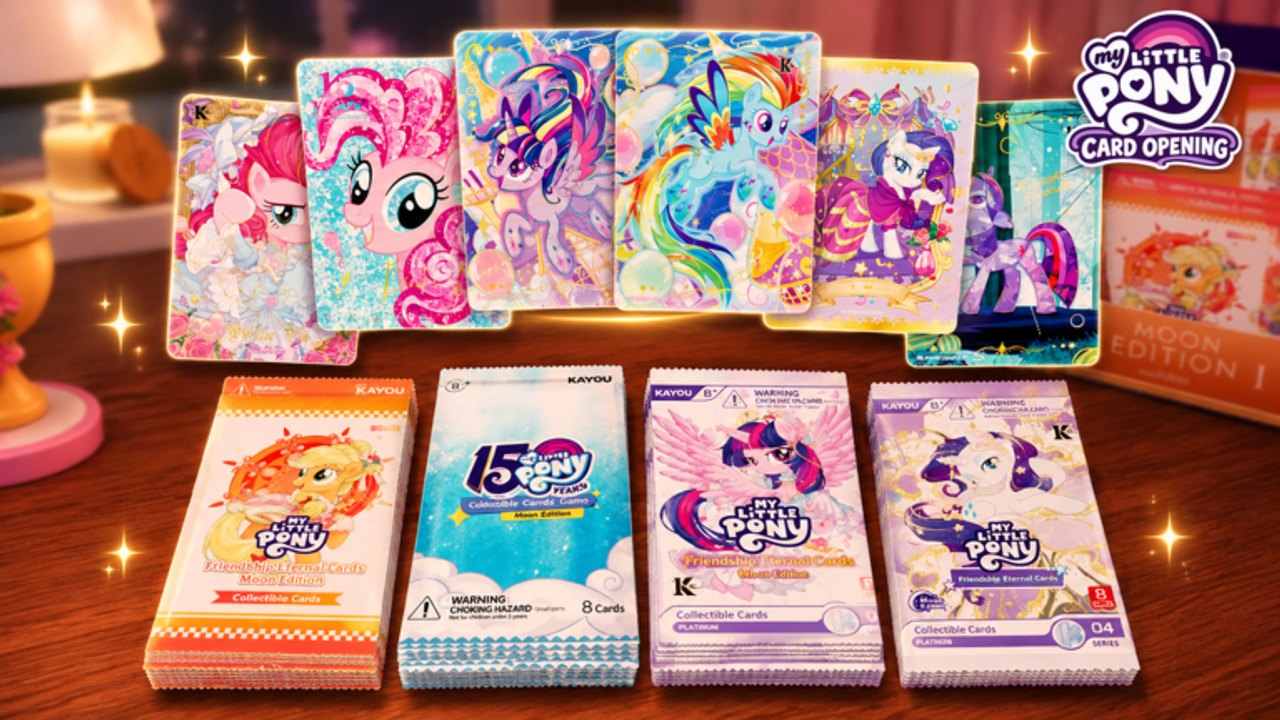
Sticker postcards are the cozy engine behind free progress in My Little Pony Card Opening. Instead of grinding combat, you collect stickers, place them on postcards, send those postcards, and earn coins that feed the pack shop. Players who treat postcards as optional flavor fall behind; players who weave them between opens keep ripping packs without touching Robux.
This guide explains the postcard loop, how it pairs with binder collecting, and practical farming habits that fit short Roblox sessions. Pair it with Getting Started if you are brand new, and with how to open packs when you are ready to spend the coins you just earned.
Why postcards matter
Packs cost coins. Coins come from play rewards, collection milestones, and postcard completions. Postcards are reliable because they are task-shaped: you can see stickers, see unfinished cards, and clear them for a payout. That predictability beats hoping a random drop solves your empty wallet.
The fantasy matches the brand—friendship mail, cute stickers, soft colors—while still being serious economy design. Completing postcards is how free-to-play collectors stay in the shop after the starter balance runs dry.
The sticker → postcard → send loop
Break the system into four beats:
- Collect stickers while you open packs, explore, or finish other light activities the game awards.
- Open the postcard UI and see which slots or designs still need stickers.
- Stick the matching stickers onto the postcard until the send requirement is met.
- Send the postcard and claim the coin reward.
Gameplay footage describes the fantasy simply: stick them on, send them off, earn coins. Your job is to keep sticker intake and postcard clears in rhythm so coins arrive before you feel stuck at the shop.
If a postcard needs stickers you do not have yet, switch back to opening affordable packs or other reward sources, then return. Do not sit idle in the UI hoping stickers appear from nowhere.
Session rhythm that actually farms
A strong twenty-minute loop looks like this:
- Log in and claim daily gifts or notes if present.
- Check sticker inventory and any nearly finished postcard.
- Send every postcard that is ready—bank coins first.
- Buy and open one planned pack (see how to open packs).
- File cards into the binder.
- Recheck stickers; stick and send again if possible.
- Only then consider a second pack purchase.
This order prevents the classic mistake: spending every coin, then discovering a postcard was one sticker away from a refill.
Farming tips without Robux
- Prioritize almost-complete postcards. A send that needs one sticker is worth more attention than starting a brand-new card.
- Keep a coin floor. Decide a minimum balance you refuse to cross so one bad shop impulse cannot zero you out.
- Alternate activities. If stickers stall, open a cheap pack, browse the binder, or check codes for any new redeemables—then return.
- Short frequent sessions beat one long binge. Postcard tasks refresh your sense of progress even when chase cards refuse to drop.
- Do not ignore collection rewards. Binder milestones and daily notes can stack with postcard coins for a healthier wallet.
Robux shortcuts may exist for packs or currency, but they are optional. The postcard loop exists so collectors can enjoy Friendship Eternal–style and Moon-themed art at a gentle pace.
How postcards connect to the binder
Stickers and cards are related hobbies inside the same experience. Opening packs grows the binder and often contributes materials or momentum toward postcard tasks; postcard coins then buy more packs. Thinking of them as rivals wastes time. Think of them as a flywheel: open → stickers/cards → send → coins → open.
When binder gaps are huge, spend postcard coins on coverage packs. When binder pages look full of commons and you are hunting shine, save coins for higher-tier packs described on best packs. Either way, postcards fund the decision.
Avoid these postcard pitfalls
- Hoarding finished postcards instead of sending them immediately.
- Buying premium packs while unsent postcards sit with rewards unclaimed.
- Tunnel-vision on one postcard when another is closer to completion.
- Leaving the game mid-stick and forgetting which stickers you already placed.
- Trading away resources you still need for postcard requirements if stickers are tradable or scarce—verify before you swap.
Clear systems beat vibes. Glance at unfinished postcards every time you open the menu.
Social servers and focus
With about twenty players per server, chat can distract you from the postcard panel. Mute noise if you need to focus, or party with friends who also want to farm quietly. Trading is separate—handle swaps with the advice in trading after your coin loop is stable.
If someone promises “free coin methods” that require leaving the official UI or installing unknown clients, walk away. Stay inside the game systems and the wiki scripts guidance.
Measuring whether farming works
Track three numbers across a few sessions:
- Coins gained from postcard sends.
- Packs opened from those coins.
- New binder slots filled.
If coins rise but binder slots do not, you may be underspending on packs. If packs open but coins crash, you are skipping sends. Adjust until both climb. That simple audit keeps the free-to-play path honest.
When to stop farming and start hunting
Once your binder has broad coverage and your coin floor feels safe, you can redirect postcard income toward chase-oriented packs and careful trades. Read rare cards and card rarity before you burn a week of postcard savings on a single premium line.
New postcard designs or reward tweaks may arrive in patches—watch updates so your farming habits stay accurate.
Quick reference
| Step | Action | Goal |
|---|---|---|
| 1 | Claim dailies | Free baseline |
| 2 | Send ready postcards | Instant coins |
| 3 | Open one planned pack | Cards + stickers |
| 4 | File binder | Track progress |
| 5 | Stick new postcards | Queue next payout |
| 6 | Repeat or log off on a coin floor | Sustainable play |
Keep exploring
Postcard coins are the bridge between “I like the ponies” and “I can actually open the next set.” Return to the guides hub for every tutorial, revisit Getting Started when you onboard friends, and spend wisely through how to open packs. For site-wide context, the wiki page ties codes, tiers, and updates together.
Stick, send, earn, open—then stick again. That soft loop is how My Little Pony Card Opening stays generous to collectors who never touch Robux.
Frequently Asked Questions
Quick answers to the most common questions.
How do postcard tasks give coins?
Collect stickers, place them on a postcard until requirements are met, send the postcard, and claim the coin reward. Those coins buy more packs in the shop.
Can I progress without Robux?
Yes. Postcard sends, daily gifts, and collection rewards fund packs for free-to-play players. Robux is optional flavor, not a requirement to enjoy the loop.
Should I send postcards before buying packs?
Usually yes. Bank ready postcard coins first so you shop with a fuller balance and avoid zeroing out before a send that was already finished.
What if I am missing stickers?
Leave incomplete postcards, open affordable packs or finish other reward activities, then return when the needed stickers drop. Focus on nearly complete cards first.
Do postcards replace trading?
No. Postcards fund coins; trading moves cards between players. Use both: farm coins for packs, trade duplicates for binder gaps.