My Little Pony Card Opening Best Packs to Buy
Spend coins on packs that fill binders fast—then save for premium chase lines.
Pack shop mindset
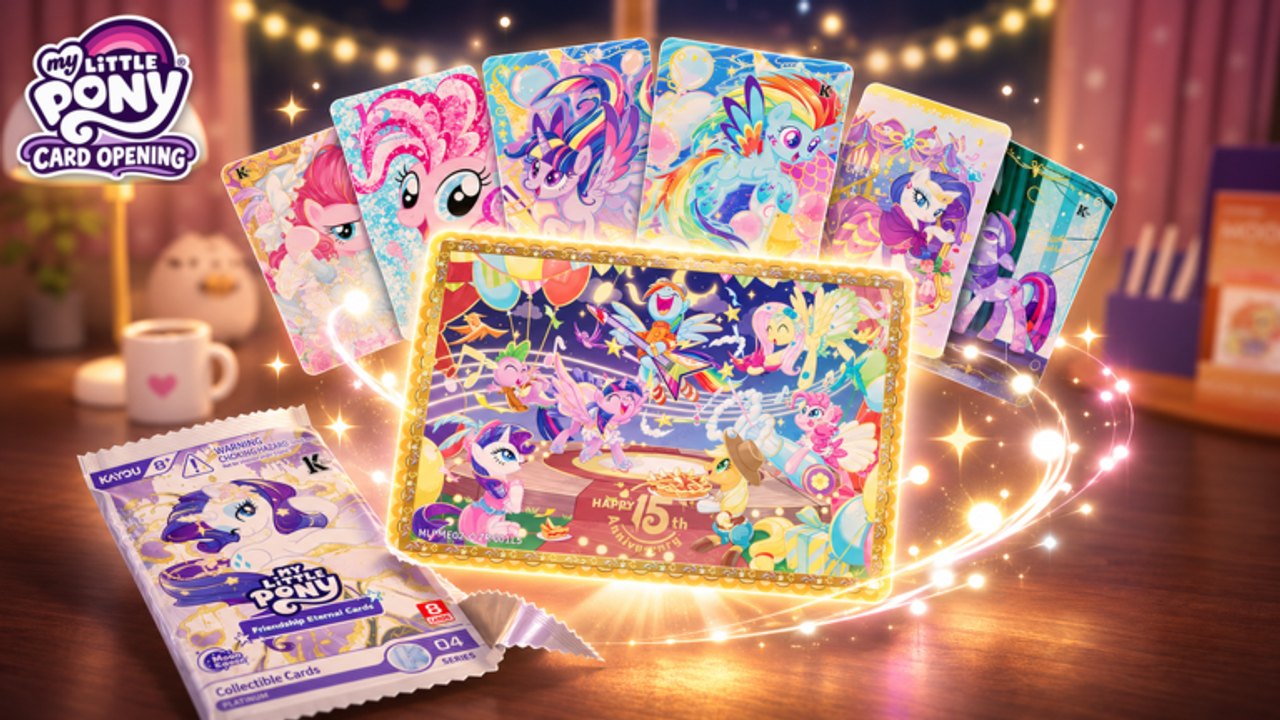
The pack shop in My Little Pony Card Opening is a tap-to-buy shelf of MLP-themed sets. Different packs imply different price points, art lines, and rarity mixes—including rare chase cards. Your coins arrive mainly from sticker postcard tasks, trades, and occasional codes when they exist. Because the experience launched on 7 November 2026, shop banners still tempt new players into spending everything on the loudest pack. This guide slows that impulse down.
Read it beside card rarity and the Tier List Hub. Mechanics context lives in getting started.
What “best pack — means here
We score packs for:
- Binder progress per coin — how fast empty slots disappear
- Trade bait yield — useful rares you can move on the Players Hub economy
- Chase ceiling — upside if you are hunting ultras
- Regret factor — how bad it feels when the pack dumps only fillers
- Timing — whether a pack is new hype, staple budget, or aging stock
A pack can be best for beginners and mediocre for chase hunters. Match the tool to the job.
First buys: budget and mid packs
Priority A — Cheapest set that matches your binder
On a fresh account, buy the lowest-cost pack that still drops cards for the pages you can actually complete. Early binders need commons and uncommons more than a single ultra screenshot. Budget packs stretch postcard income across more openings, which teaches rarity tags and set structure without bankruptcy.
Open in batches of a few packs, sort pulls, then return to postcard tasks. That rhythm beats a 20-pack tilt streak.
Priority B — Mid-tier packs with visible rare rates
Once basics look less empty, rotate into mid-priced packs known for steadier rare hits. These packs feed the trade economy: duplicate rares become currency for gaps or stepping stones toward a chase. If a mid pack’s art line bores you, skip it—joy matters, but still prefer mid packs over all-in premium spam while your binder is half blank.
Priority C — Avoid “first hour premium only”
Premium packs with chase marketing are exciting. They are rarely the best first buy. Save them for Priority stages below once you have trade bait and a coin buffer equal to several premium pulls—not a single emotional tap.
Coin efficiency checklist before every purchase
Ask:
- Do I still have common / uncommon gaps in this set?
- Is my coin balance high enough that this purchase leaves postcard runway?
- Am I buying because of a goal, or because another player flexed a chase in chat?
- Could trading a duplicate rare fill this need cheaper? Check etiquette on the Players Hub and the trading guide.
- Did a new update just add a set that makes this pack obsolete tomorrow?
If three answers feel sloppy, step away from the shop.
When to save for premium packs
Save for premium / chase-focused packs when:
- Your early binder pages are mostly complete for at least one set
- You hold duplicate rares you are willing to trade if the premium line bricks
- Postcard income can refill a meaningful percentage of the premium cost within a session or two
- You have a specific chase motif you actually want to display
- You are mentally ready for dry spells—chase rates are chase rates
Saving is a strategy, not cowardice. Premium packs punish empty wallets harder than budget packs punish patience.
Soft save rules
- Keep a reserve equal to at least one full postcard loop’s earnings before tapping premium.
- Cap premium sessions: decide “three packs max, — then stop regardless of outcome.
- After a hit, consider stopping—protect the dopamine win instead of gambling it back.
- After a miss, do not “revenge open — with rent money equivalents; return to sticker tasks.
Pack roles across your account life
New collector (day one to first binder page)
Spam smart budget packs, finish postcards, ignore most flex chat. Learn rarity with card rarity.
Active trader
Balance mid packs for liquid rares with selective premium attempts. Your “best pack — is whichever feeds deals you can close fairly.
Showcase collector
Premium lines and targeted sets matter more. Still drip budget packs when a cheap set has a missing common that ruins a page aesthetic.
Returning player after a patch
Reassess the shop from scratch. New sets can redefine coin efficiency overnight—start on the Updates Hub, then rebuild a short shopping list.
Shop behavior tips inside the loop
- Tap packs deliberately; confirm costs before bulk buying.
- Watch for limited banners without assuming limited means “must buy now.”
- Screenshot your binder goals so shop hype cannot rewrite them mid-session.
- Do not mix scripted clients into shopping—see Scripts Hub risks; bans cost more than any pack.
- Spend code rewards (when listed on the Codes Hub) on the same plan as earned coins—no special “free money — exception for bad packs.
Example spending plans
Plan: Binder filler weekend
70% budget packs on your primary incomplete set, 20% mid packs for rares, 10% held in reserve. Trade fillers afterward.
Plan: Chase night
50% reserve held, 30% premium on one chosen set, 20% mid packs to refill trade bait if the chase misses. Stop at the pre-set pack count.
Plan: Trade stockpile
Focus mid packs with historically liquid rares, minimize premium until you know what local traders want this week.
Adjust percentages to your coin rate; the structure matters more than exact numbers.
Linking packs to rarity outcomes
Budget packs excel at commons and uncommons, occasionally spitting rares. Mid packs carry your rare economy. Premium packs sell the dream of ultras. None of them erase the need to understand tags—open the card rarity guide whenever a pull confuses you.
If a pack line floods the server with identical rares, its trade value drops even if the rarity tag stays “rare. — Best-pack status is dynamic; revisit this page after meta shifts on the Tier List Hub.
Mistakes that burn coin stacks
- Opening premium first on a brand-new account
- Ignoring postcard tasks between shop visits
- Buying every set “for completion — in one night
- Copying a streamer’s pack choice when their binder goals differ from yours
- Paying real-world money pressure into Roblox purchases you cannot afford—stay free-to-play friendly and paced
Next steps
- Set a binder goal for today’s session.
- Choose budget, mid, or premium using the priorities above.
- Open in small batches; sort by rarity.
- Trade duplicates with fair etiquette.
- Refill coins via postcards before the next shop run.
For official place links visit the wiki links hub. For launch context and patch watching, use updates. Smart pack choice is the quiet skill that separates full binders from empty wallets.
Frequently Asked Questions
Quick answers to the most common questions.
Which packs should I buy first?
Start with the cheapest packs that fill your current binder set. Move to mid packs for tradeable rares, and save premium chase packs until you have a coin buffer and clearer goals.
When should I save for premium packs?
Save when early pages look complete, you own tradeable duplicate rares, and postcard income can refill a chunk of the premium cost after a short session.
Is the most expensive pack always the best?
No. Expensive packs raise chase ceiling but often waste coins for new binders. Best means best for your goal—progress, trade bait, or chase—not highest sticker price.
How do codes change pack strategy?
Treat code coins like earned coins. Spend them on the same plan instead of impulse premium taps just because the currency felt free.
Where can I learn what my pulls are worth?
Use the card rarity guide for tier meaning, the Tier List Hub for philosophy, and the Players Hub plus trading guide for live deal sense.