My Little Pony Card Opening How to Find Rare and Chase Cards
Spot finishes, plan opens, flex the binder, and spend smart.
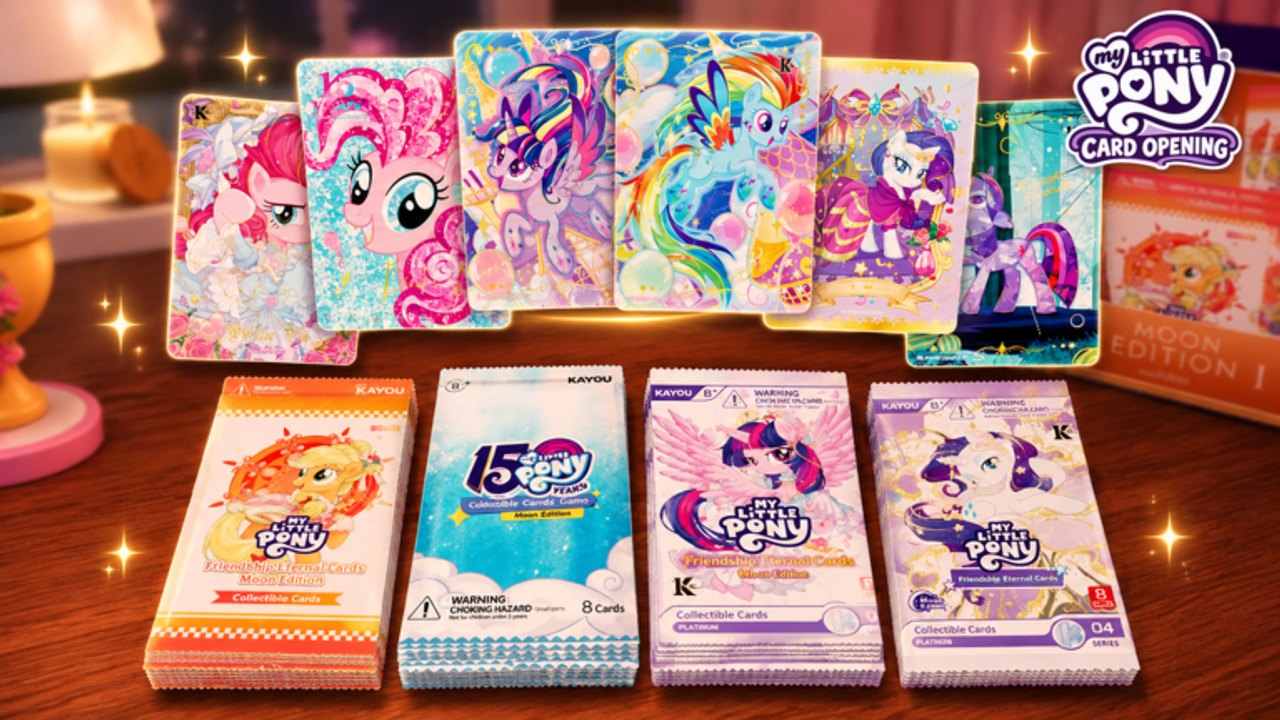
Rare cards are the heartbeat spikes inside My Little Pony Card Opening. Most opens fill binder pages with lovely commons and uncommons; then a holo flash or chase treatment appears and the whole server feels it. This guide explains how to recognize rare pulls, build a chase strategy, show them off in the binder, and decide when patience beats spending—without turning a cozy collector game into stress.
Before you dump coins into premium boxes, finish the basics in Getting Started and how to open packs. Rank pack lines with best packs and study finish ladders on card rarity. Trading chase pieces safely is covered in trading.
What “rare” means in this experience
Rarity is visual and economic. Expect a ladder that climbs from common character arts through uncommon variants into foil, special finish, and true chase cards that players highlight in Friendship Eternal–style and Moon-themed sets. Exact labels can differ by set, so train your eye on borders, logo marks, holographic sheen, and alternate compositions rather than memorizing one universal code on day one.
A card can be rare because:
- The finish is premium (holo, silk-like shine, special frame).
- The print is chase-rate inside its pack line.
- Demand is high among binders even if the formal rarity is only mid.
- It is new after an update and supply is still thin.
Use card rarity as the living reference while you learn.
Spotting a chase during the open
Slow down the reveal. Swipe-through animations exist to show off card backs and foil hits—skipping them trains you to miss cues. When something looks different, pause and note:
- Set or series name on the card.
- Character and pose.
- Finish type compared with the last common you saw.
- Whether you already own a copy in the binder.
If it is new and flashy, file it into a prominent binder page immediately. Chase cards deserve intentional placement, not a random slot beside junk duplicates.
Chase strategy that respects the economy
Blindly buying every premium pack is not a strategy. Try this framework instead:
- Coverage first. Fill broad binder pages with affordable packs so you understand sets.
- Pick one chase goal. Example: a Moon-line holo of a favorite pony.
- Choose the pack line most associated with that goal via best packs.
- Fund with postcards. Farm postcard coins until you hit a planned budget.
- Open in small batches. Evaluate after each pack; stop when the coin floor hits.
- Trade sideways. Use duplicates to approach the chase without more spending when offers are fair.
This loop keeps rare hunting aligned with free-to-play income. Robux can compress time; it cannot guarantee a specific pull.
Patience versus spending
Ask three questions before you spend harder currency:
- Do I still have postcard sends unfinished?
- Is my binder missing easy commons I could finish with cheap packs instead?
- Am I chasing a card, or chasing the feeling of opening?
If the honest answer is “I want the feeling,” step away for ten minutes. The game is designed around pretty reveals; that dopamine is real, and it can empty wallets. Patience often yields the same binder flex after a few more postcard cycles—and you keep enjoying the art.
Spending makes sense when you have a clear target, understand pack value, and accept that variance can still deny the hit. Never spend money you cannot afford outside Roblox either; virtual holos are not financial assets.
Binder show-off tips
Your binder is the museum. For rare cards:
- Place chase pulls on early pages or themed spreads so visitors see them fast.
- Group finishes by set so Moon-style arts sit together and Friendship Eternal vibes stay coherent.
- Keep a “favorites” mental list for screenshots and trade refusals.
- Leave breathing room around ultra hits so the page does not look cluttered.
Showing the binder is part of the social fun on twenty-player servers. Be kind when others flex too—celebration beats jealousy in collector spaces.
Using trades to finish chase goals
Sometimes the market is faster than the pack. If you opened a chase you do not love, a fair trade can move you toward the pony you actually want. Protect yourself with the rules in trading: official UI only, no trust trades, and values checked against rarity guides.
Do not panic-trade a new holo five minutes after pulling it. Live with the card in the binder for a session. Attachment and valuation both clarify with time.
Tracking luck without superstition
Variance is real. A dry streak does not mean the next pack is “due.” Equally, a lucky double hit does not mean you should empty the rest of your coins. Track sessions lightly:
- Packs opened this week.
- Notable rares found.
- Coins spent versus postcard coins earned.
If spend vastly outpaces postcard income and rares are not landing, shift to cheaper coverage packs or pure farming until the budget resets. Check updates in case drop tables or new sets changed the chase landscape.
Common rare-hunting mistakes
- Ignoring best packs and buying random expensive SKUs.
- Trading away the wrong duplicate of a chase family.
- Skipping binder filing so you “lose” a rare in inventory clutter.
- Mocking other players’ pulls—or demanding free rares in chat.
- Installing shady clients promised on random discords; stay inside scripts safety norms.
Avoid those and your chase journey stays joyful.
Set-themed hunting notes
Players talk about Friendship Eternal collectible vibes and Moon-style editions with premium presentation. Treat each set as its own mini-meta: learn which packs feed it, which finishes count as chase inside it, and which characters are most contested. When a new line launches, read patch notes, open a few educational packs, then decide whether your rare budget moves.
Promo codes might someday grant premium packs. None are confirmed yet—watch codes without planning your entire chase calendar around them.
A calm weekly plan
| Day focus | Action |
|---|---|
| Farm days | Postcard clears, cheap packs, binder audits |
| Hunt days | Budgeted premium opens toward one chase goal |
| Trade days | Duplicate swaps aimed at gaps, not impulse |
| Flex days | Binder screenshots, friend visits, no spending |
Rotating focus prevents burnout and keeps rare hunting special.
Where to continue
Deepen pack choice on the tier list hub, especially best packs and card rarity. Refresh fundamentals anytime via guides, meet the community angle on players, and use the wiki as the map back to codes and updates.
Rare cards reward eyes trained on finish, budgets fed by postcards, and binders curated with care. Chase boldly—but file patiently, trade safely, and let the pretty cards arrive without emptying the joy that made you join My Little Pony Card Opening in the first place.
Frequently Asked Questions
Quick answers to the most common questions.
How do I know if a card is rare?
Compare finish, frame, and set marks against common pulls, then check the card rarity tier list. Holo sheen and chase presentations usually stand out during the open animation.
What is the best way to hunt chase cards?
Pick one target, fund opens with postcard coins, buy the pack line tied to that set, open in small batches, and use fair trades for sideways progress instead of endless panic buying.
Should I spend Robux for rares?
Only if you can afford it and accept that packs are still random. Most collectors can make strong progress by farming postcard coins and trading duplicates patiently.
Where should rare cards go in the binder?
Give chase pulls intentional pages—early spreads or themed set sections—so they are easy to show off and hard to lose among commons.
Can I trade for rare cards instead of pulling them?
Yes. Many collectors finish chase goals through fair trades. Use the official trade UI and read the trading guide before moving high-value finishes.